 Wholesale Handler
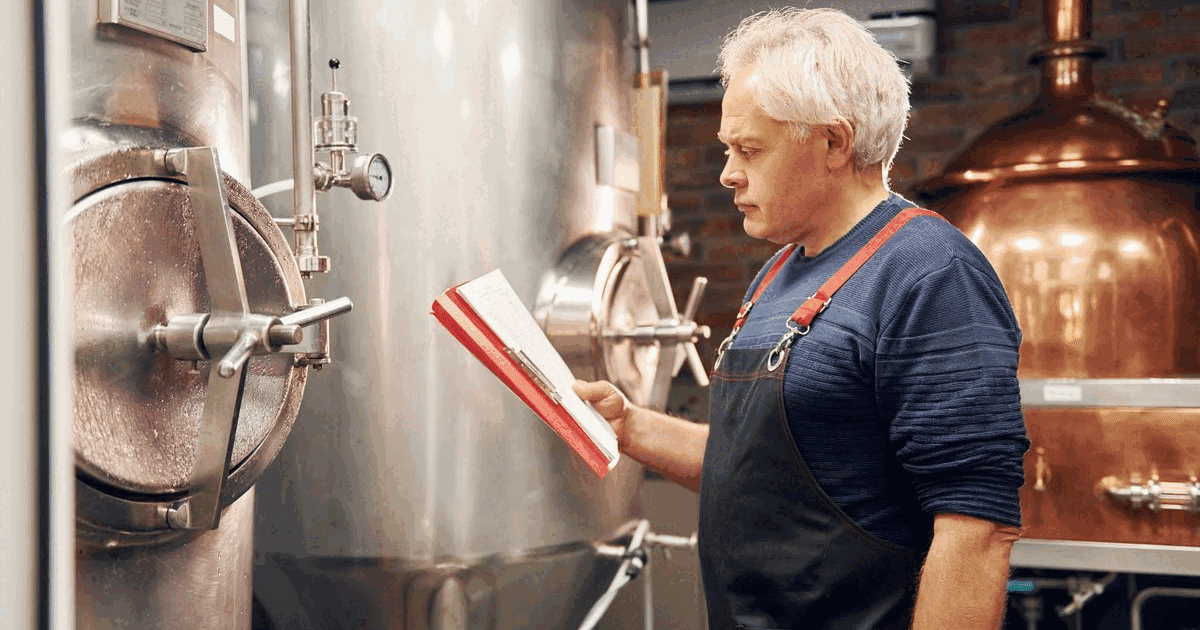
Cutting out the distributor wins you the margin and the direct line to the cellar. It also hands you the whole order desk - working out which pubs you can even sell to, ringing round for next week's order, holding a different price for each one, fitting deliveries to your dray, and chasing payment across every account yourself.
The ordering half of that is the part that quietly eats a Friday. It's also the part that's easiest to move off the phone.
Which pubs you can actually sell to
In the UK, a pub falls into one of three groups, and only one of them is freely yours to sell to.
- Free houses choose their own beer. The licensee owns the decision, so these are where a self-distributing brewery starts - roughly 17,000 of them.
- Tied and leased pubs buy through the pub company or brewery they're tied to, usually at a set price. Some allow a guest ale or a local "free of tie" line, which is the crack worth knocking on, but the core range isn't yours to win.
- Managed pubs stock what the owning company decides centrally. Not a direct-sale target.
So the realistic order book is free houses, free-of-tie guest lines, and independent bars and restaurants. They share a trait that makes a self-service order desk worth it - each one decides its own order, on its own cellar's schedule, and reorders from you week after week. It is the same order book a roaster works from when taking wholesale coffee orders from cafes.
Replace the Friday ring-round with a pub sign-in
The phone blitz exists because the brewery is the only one who can write the order down. Give each pub a sign-in and that flips - the cellar does its stock check, opens its account, and places the order when it suits them, not when you happen to call.
A pub ordering at 11pm after close, looking at the actual gaps on the stillage, places a more accurate order than a landlord guessing down the phone at 4pm mid-shift. Past orders are right there to repeat, so the steady lines go in with a couple of taps and you're left talking about what's new, not transcribing quantities.
Put a cutoff in front of your delivery days
Self-distribution runs on a delivery rhythm - the days your van actually goes out, and the patch it covers. The order desk has to funnel orders to those days, not take them whenever they land.
Set the days you deliver and a cutoff for each, and tie it to your lead time - "order by Tuesday 5pm for Thursday's run." The pub sees the deadline when they order and knows what they've missed if they're late.
A cutoff only works if it's enforced. "Orders by Tuesday please" in an email gets ignored the moment a pub realises on Wednesday it's short for the weekend - they'll call, and you'll squeeze it onto the van. A message doesn't hold the line. A form that locks once the cutoff passes does, while still letting you take the genuine emergency by phone on your terms.
Charge each pub its own price
Direct trade pricing is rarely one number. A high-volume account that takes ten casks a week is on a different rate from a bar that takes one. A free house you've supplied for years might be on a better price than a new account still proving it pays on time.
Holding that in your head, or in a master spreadsheet you cross-check every time you invoice, is how a pub ends up on last year's price for six months. A price list per tier fixes it - assign each pub to its list, set the price once, and the pub only ever sees its own number. Put your duty rise through in one place and every account on that list sees it on their next order.
Standing orders for the regular lines
Most accounts have a backbone that doesn't change - the house lager, the cask that's always on, the keg line the regulars expect. That order shouldn't need a call every week.
A standing order places the regular lineup on a schedule - weekly, two-weekly, three- or four-weekly - and fires it at your cutoff on its own. A few days before each one, the pub gets a preview at the current price with a one-click skip. Closed for a refurb, or the cellar's still full? Skip it. Otherwise it goes through. The rotating guest casks still get picked by hand each week, but the predictable volume places itself.
Chase payment without a spreadsheet
This is the part new self-distributors underestimate. Instead of invoicing one distributor, you're collecting from sixty, eighty, a hundred separate accounts - and a few of them always pay late. Cellar telemetry and dray routes don't help here; knowing who owes you what does.
Raise the invoice straight off the order, on the terms you set - net-30, on account, or cash on delivery for the ones who've earned a shorter leash. Then track who's paid without reconciling your bank against a spreadsheet line by line. Check the bank once a week, mark off what's cleared, and the accounts still owing are the ones to chase - no guesswork about which of a hundred pubs slipped.
What about the empties
Casks and kegs are returnable containers with a deposit, and tracking which pub is sitting on how many of yours is real work. Wholesale Handler doesn't do that part - it isn't a returnable-asset or deposit-reconciliation system, and pretending otherwise would only get your container count wrong.
What it does is take the order and raise the invoice, and a cask or keg deposit can sit on that invoice as its own line. The physical empties - counting them out, getting them back, squaring the deposit - stay in whatever you use for that now. The order desk and the empties ledger are different jobs.
How Wholesale Handler runs a brewery order desk
Wholesale Handler is a self-service ordering portal for wholesalers. For a brewery selling direct to free houses, it's the order desk and the invoicing - not the van, not the cellar, not the empties.
- Pub sign-ins. Each account gets its own sign-in and orders 24/7 from a phone or laptop. No app to download, no call to take, every order in one place the moment it lands.
- Delivery days with a cutoff. Set the days your van goes out and a cutoff for each. The form locks once a date closes, so late orders can't land on a run you've already loaded. You write the locked-state message in your own voice.
- A price list per pub. Up to 20 named lists, each pub assigned to one, each seeing only its own price. Move an account up a tier as its volume grows; push a duty or cost rise through once and it propagates.
- Standing orders for the regulars. Weekly to four-weekly schedules that fire at the cutoff on their own, with a preview email and one-click skip before each. Up to 10 per account, editable any time, pausable for a closure.
- Minimum order and delivery charge. Set a minimum spend (your three-cask floor) or a free-delivery threshold, so small drops don't run your van at a loss.
- Invoicing and payment tracking on terms. Generate invoices from orders - one at a time, in batches, or all of a pub's un-invoiced orders at once - email them out, and track who's paid without touching the money. No transaction fee, and whatever payment terms you've agreed stay yours.
What it deliberately doesn't do
Wholesale Handler isn't a brewery ERP or a logistics platform. It doesn't plan dray routes, track cask and keg deposits or returns, run your duty and Small Brewers Relief accounting, or process payments. It's the order desk and the paperwork around it, kept simple on purpose.
The pull of cutting out the distributor is margin and a direct relationship with the pub. A B2B beer platform hands the logistics back but takes a cut and stands between you and the cellar again. Running your own order desk keeps both the margin and the relationship - the pubs order themselves, the orders land against your delivery days, and you invoice on your own terms.