 Wholesale Handler
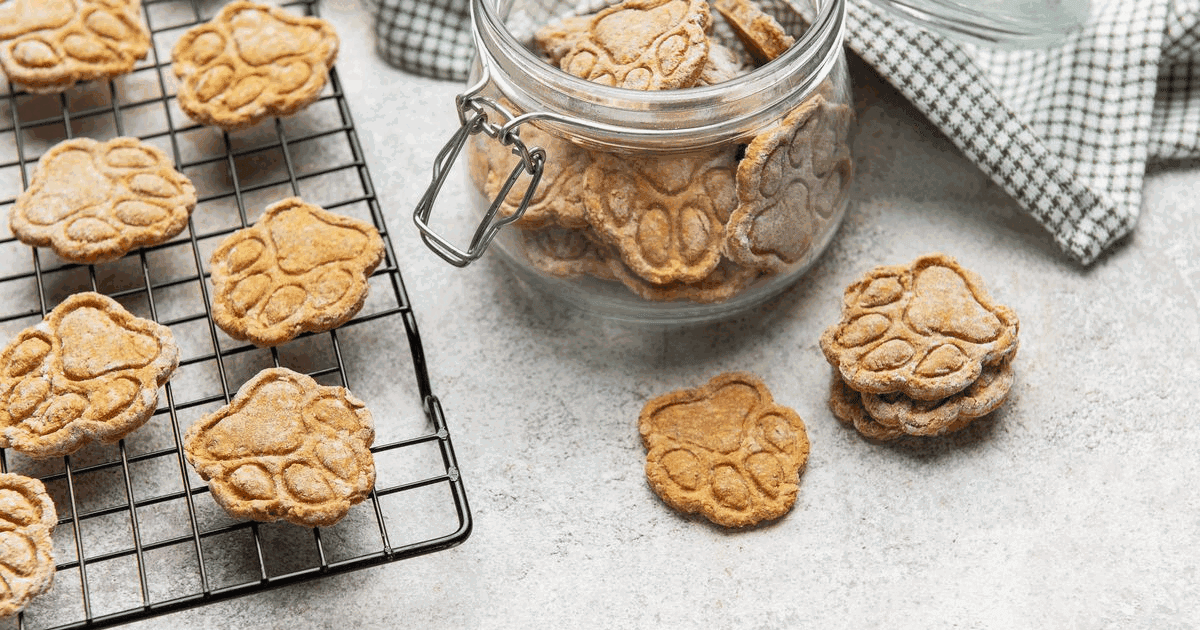
Orders come in by text, by email, in an Instagram DM, and as a Faire notification. Each one gets copied into a spreadsheet to build a single list to bake from - until a store messages to add two cases, and the list is out of date again.
Search for software to fix this and the results miss in both directions. Half are tills for running a pet shop. The other half are manufacturing systems for running a treat factory. The thing in between - a small maker taking repeat orders from the shops that stock them - barely shows up.
Why pet-treat wholesale software doesn't quite fit
When you do a Google search for "pet treat wholesale software", the tools that come up are built for someone else.
Some are pet-shop till systems - software that runs on an iPad or tablet next to a card machine, so a shop can scan items and take payment from people at the counter. (You will sometimes see these called a POS, short for point-of-sale.) Lightspeed and Korona are two. They are made to ring up someone buying one bag in a shop, not a shop placing an order for twelve cases via email.
Others are factory systems for large food manufacturers. They handle recipes, ingredient lists, and a record of which batch went into which box - genuinely useful if you ever have to trace a product back for a recall. FlexiBake is one. For taking an order from a groomer, though, it is a factory control system pointed at a kitchen table.
WooCommerce plugins such as Wholesale Suite add a trade section to a website - which assumes you already run and maintain a WooCommerce site. And the "how to wholesale your dog treats" results are mostly blog posts, line-sheet templates, and a paid course. Useful for getting started, but none of them is the thing that takes the order.
The real job is running the account, not taking the order
Taking a single order is easy. A text does that. The work that eats your week is running the repeat account.
A pet shop reorders on its own rhythm - the busy one every two weeks, the quiet one once a month. Each store is often on a different wholesale price, because trade pricing runs around half of retail and you cut different deals with different shops. Fresh-baked treats have a lead time, so you need orders settled before you start a batch, not arriving while it is in the oven. And every delivery needs an invoice, usually on Net 15 or Net 30 terms.
None of that is order-taking. It is order-running, and it is where the spreadsheet starts to crack.
All of that assumes the accounts exist. If the first shop has not said yes yet, the trade list, the price, the minimum and the terms are the decisions to settle before the first order rather than after the third.
What a small treat maker actually needs
Each store sees its own prices
When wholesale runs at 50 to 60 percent of retail and each shop is on its own negotiated deal, a single price list does not work. Every store should sign in and see only its own prices, not what another shop pays.
A cutoff that locks orders before you bake
A cutoff is the line between "still taking changes" and "this batch is final." Set it to suit your production - say, orders in by Sunday night for a Tuesday delivery - and you can bake from a list that will not move. Without one, you get a 6am message asking for two more cases you have not made.
Standing orders for the regulars
A lot of trade is predictable. The shop that takes the same two cases every two weeks should not have to remember to order, and you should not have to chase them. A standing order places it automatically, every cycle, until someone changes it.
Packing slips and invoices from the order
The order already contains everything the paperwork needs. A packing slip to deliver against and an invoice for Net 15 or Net 30 should come straight off it - not get typed up again by hand after the fact.
Where Faire fits, and where it doesn't
Faire is where a lot of pet-treat trade happens, and it does one thing well - it helps shops discover you. For that, it earns its place.
Two things make it the wrong tool for running your accounts. On the marketplace, Faire takes around 15 percent plus fees and keeps the relationship - you do not get the buyer's contact details for shops that find you there. Faire Direct drops commission to zero for accounts you bring yourself, which is a fair deal for order-taking, but it is still a national-shipping marketplace. It does not run a local delivery round, per-store delivery days, a cutoff tied to your bake, or a standing order for the shop down the road.
So use Faire to get found. Run the account somewhere built for the operation. It is the same split preserve makers arrive at with their own stockists - the introduction is worth a commission, the fortieth reorder is not.
How Wholesale Handler runs your wholesale orders
Wholesale Handler gives each stockist a sign-in. They see your products at their own prices and place orders themselves, up to a cutoff you set. The orders arrive in one place, already priced, so there is nothing to copy out of a text thread.
The shops that order the same thing every cycle go on a standing order, so their case is placed automatically and you are not chasing a reorder. When the cutoff passes, you have a single list to bake and pack from, plus a production view of what to make in total. Packing slips and invoices are built from the orders, so a delivery turns into paperwork without re-keying anything.
It will not manage your recipes or keep a record of which batch went into which box - that is what a factory system is for. What it does is take the orders, hold your prices, and turn a week of messages into one clean list.