Wholesale Handler
Dashboard
Products
Price lists
Order profiles
Customers
Orders
Standing orders
Production schedule
Storefront
Invoices
Export data
Team members
Settings
Sign in
Claim account
Subscribe
About
Articles
Public storefronts
Contact
Loading spinner
Wholesale Handler
Loading...
Toggle Sidebar
Dashboard
Articles
Toggle Sidebar
Dashboard
Articles
Wholesale Handler Features
Updated Wednesday, 30 September 2026
Self-service ordering portal for wholesalers. Orders, inventory, invoices, and customer management.
Getting started with Wholesale Handler
Wednesday, 30 September 2026
Set up your account, invite your first customers, and see how everything fits together. Begin with accounts and invitations.
Cut+Dry pricing
Wednesday, 4 November 2026
Cut+Dry publishes no price. Its pricing page carries two plan names and a list of what the fee is not, but not one figure in any currency, so the only route to a number is a sales call. Flat-fee wholesale ordering software sets the vendors that do publish a figure side by side.
Fresho vs Orderlion
Wednesday, 4 November 2026
Fresho names a monthly floor, two costed examples and a published setup fee, separately for each market it sells in. Orderlion names three tiers and no figure against any of them. Neither takes a cut of what you sell, so the decision turns on which market you are buying in and whether you already run an ERP. Fresho pricing covers Fresho's figures in full.
BlueCart vs Cut+Dry
Wednesday, 4 November 2026
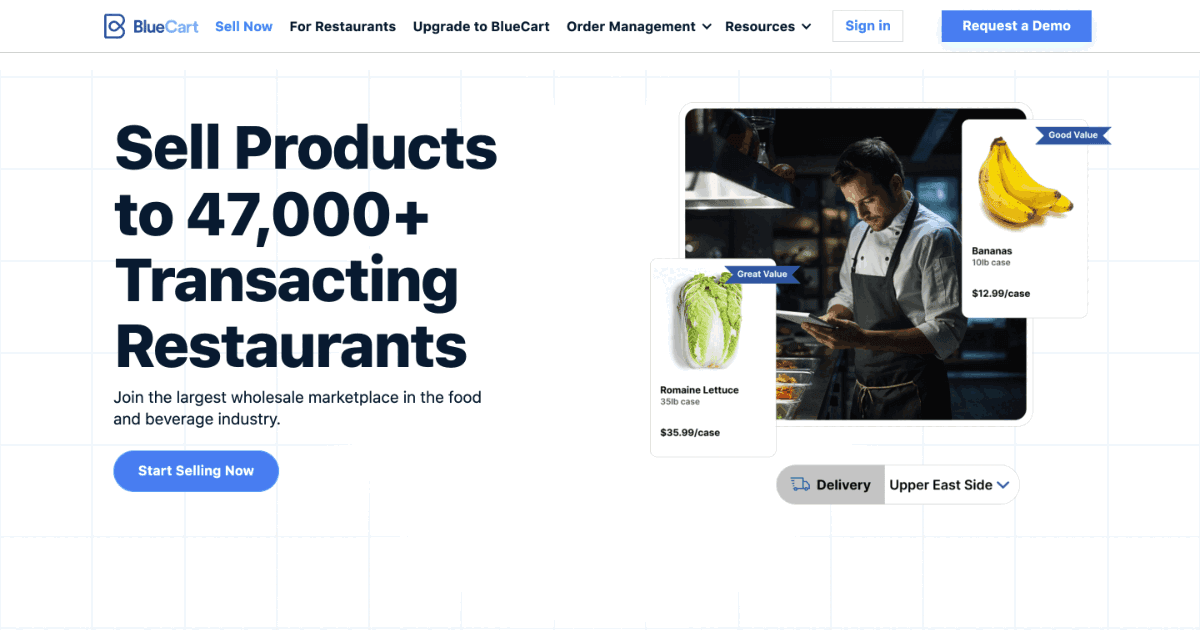
BlueCart and Cut+Dry are not competing for the same supplier. BlueCart sells demand, through a listing in its Endless Aisle marketplace where restaurants hold a BlueCart account and shop across vendors. Cut+Dry sells a branded ordering storefront to a foodservice distributor who already has the customers and an ERP to hang it off. So the question answers itself from your own customer list: if the buyers exist and order by phone, Cut+Dry is the one aimed at that job; if you want buyers you have not met, BlueCart is. Neither publishes a plan price, and Cut+Dry pricing covers what signing with Cut+Dry commits you to instead.
Orderspace pricing
Wednesday, 4 November 2026
Orderspace publishes its prices on its own site. Its entry plan, Ordering, costs £39 a month for a UK buyer and US$65 a month for a US one, both excluding VAT, and there are four tiers in total. What they sell is seats rather than orders. Flat-fee wholesale ordering software sets the monthly cost of the field side by side.
Choco vs Orderlion for food suppliers
Wednesday, 4 November 2026
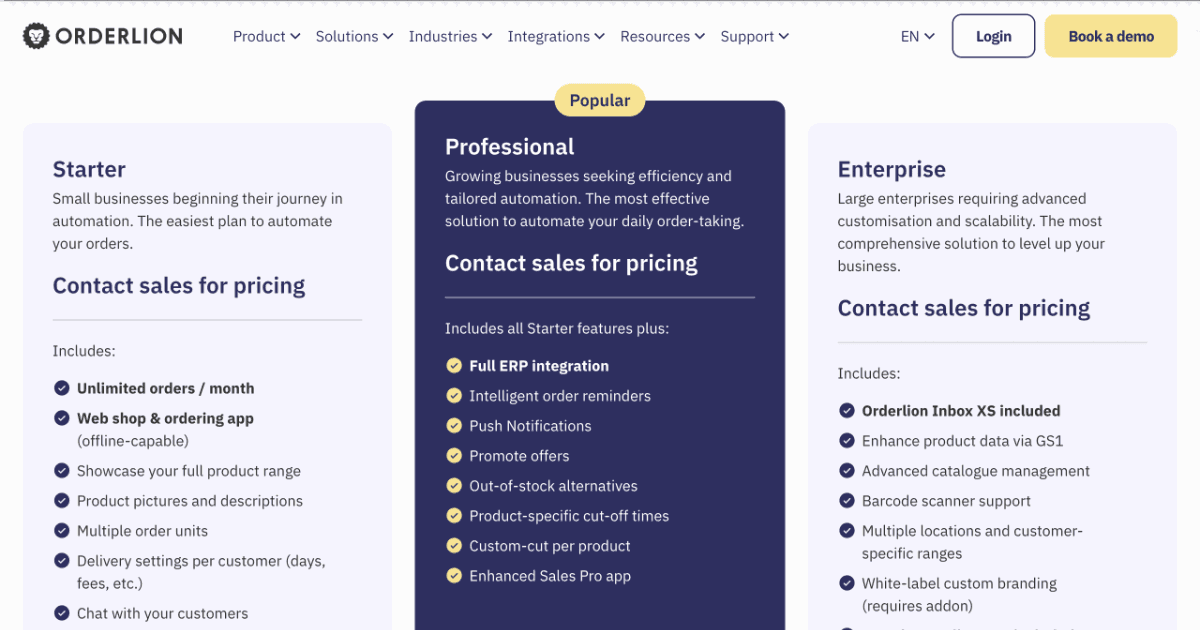
Choco and Orderlion sell a food supplier two different jobs. Choco reads the orders your customers already send by voicemail, WhatsApp, email and photo, and turns them into clean records for the ERP behind it, charged as a one-off implementation fee plus a monthly fee that scales with how much you use it. Orderlion changes what your customers send, putting them in a web shop and an ordering app, charged as a tiered subscription priced on users and features, with cutoff times and ERP integration held at the middle tier. Neither publishes a figure or names a currency, so both routes start with a sales call, and Orderlion pricing sets out what its tiers can be pinned to from public data.
Zoho Inventory for wholesale ordering
Wednesday, 4 November 2026
Zoho Inventory's customer portal cannot take an order. Zoho's own help documentation states that customers cannot add items and place orders from it, so a shop or cafe ordering for itself needs Zoho Commerce on top, which arrives bundled with Inventory's Plus plan at US$129 a month billed annually. Wholesale customer portal covers what that ordering surface has to do.
B2B Wave pricing
Wednesday, 4 November 2026
B2B Wave's Pro plan costs US$350 a month in the United States and £270 a month in the UK, as separate per-market prices rather than one figure converted. The number the pricing page shows first is half of each, because it is the introductory rate for three months. B2B Wave publishes no Lite figure a reader can rely on and no Enterprise figure at all, and all twelve add-ons are priced on request. Flat-fee wholesale ordering software (no commission, no per-user) sets the priced field side by side.
Pepper alternative for small suppliers
Wednesday, 4 November 2026
Pepper is sold to food distributors rather than to the producers who supply them. On its own February 2026 figures it served more than 500 distributors turning over around US$30 billion between them and reaching 100,000 trade buyers - roughly 200 buyers per distributor - and its price is quote-only, with no figure and no currency published anywhere. A producer selling direct to twenty or fifty shops, cafes and pubs is buying at the other end of that scale, where flat-fee wholesale ordering software is a published US$109 a month on Wholesale Handler's Pro plan for up to 50 trade customers.
Orderspace alternative
Wednesday, 4 November 2026
Orderspace sells seats. All four of its plans carry unlimited orders, customers and products, and they differ in how many admin users and sales reps they allow, so choosing between it and Wholesale Handler turns on shape rather than savings. Orderspace is the better buy for a brand with a field sales team, more stockists than Wholesale Handler's plans hold, or a Xero or QuickBooks ledger it wants orders to land in. Wholesale Handler is built for a small food or drink producer delivering on fixed days against a cutoff, where the ordering rules belong to the customer and the price does not move as the team grows.
How to export your customer and order data out of BlueCart
Wednesday, 4 November 2026
BlueCart documents no export procedure. There is no help centre, the only first-party documentation is an API reference, and no page on bluecart.com describes getting a customer list or an order history out. What a supplier has instead is a contract clause - Section 6.4 of BlueCart's SaaS Terms and Conditions gives a customer 30 days after expiry or termination to download or otherwise obtain an extract of their Customer Data - plus a REST API that lists orders 25 at a time and clients 50 at a time, and a written request to the support address named in the same terms.
How wholesale platforms handle order cutoffs
Wednesday, 4 November 2026
An order cutoff is not one setting. Across fourteen wholesale platforms it breaks into six that vary independently - the clock time and the day it counts back from, whether each delivery day carries its own deadline or one rule covers all of them, whether a late order is blocked, warned or moved to the next delivery date without comment, who writes the message the buyer reads, whether the deadline can differ per customer, and whether a reminder goes out beforehand. Most platforms build a subset, two enforce no deadline at all, and one puts the setting behind a higher tier. How to stop wholesale customers ordering after the cutoff covers choosing your own.
Which wholesale platforms make your customers download an app
Wednesday, 4 November 2026
Choco, Ordermentum, BlueCart, Cut+Dry, Pepper, Way2Order, inSitu Sales and Produce Pro all route a buying business through an app store. Orderspace, Orderwerks, OrderEase, Fresho, Shopify B2B, FlexiBake and Wholesale Handler route it through a browser instead. The reason the vendor pages read as though they agree is that "app" names five different pieces of software on those pages, and only two of the five put anything on a customer's phone that came from an app store. Wholesale customer portal covers what a buyer reaches when nothing is installed.
Wholesale order management for specialty mushroom growers
Wednesday, 4 November 2026
No software built for mushroom growers takes an order from a chef. Mycro, Kinoko, Gros.farm and Ardent Seller all track blocks, flushes, contamination and cost per pound, and Mycro's own site still lists wholesale orders as coming rather than built. The ordering half of the job belongs to general wholesale ordering software, and what a specialty grower needs from it is specific - a catalogue that is whatever fruited this week, a price per customer, a cutoff on each delivery day, and a case billed on the weight that reached the scale rather than the weight ordered. Order management software for microgreens growers covers the same ordering problem for the other indoor crop.
How many wholesale software vendors won't publish a price
Wednesday, 4 November 2026
Of the sixteen wholesale platforms priced on this site, nine publish a figure somewhere on their own site and seven publish none at all, counted vendor page by vendor page on 2 November 2026. Only four of the nine publish a complete priced ladder; the rest publish a floor, a worked example, or a figure that a sales form, a script or a country redirect sits in front of. Why is wholesale software so expensive covers the transaction-fee half of the same bill.
What wholesale platform terms say about who owns your customer list
Wednesday, 4 November 2026
Six wholesale platforms say in writing that your data is yours. One turns that into a right you can act on: BlueCart's section 6.4 gives 30 days after termination to obtain an extract. Orderspace deletes everything on cancellation, Faire and Cut+Dry take perpetual licences that outlive the account, Upstock's clause 9.6 puts the backup duty on the merchant, and Wholesale Handler's own section 15 states an export window that in practice covers invoice line items and nothing else.
Allergen information for US wholesale bakery customers
Wednesday, 4 November 2026
A US wholesale bakery owes its trade customers the food source of every one of the nine major allergens present in each product, declared on the label that travels with the goods. Selling into trade rather than into retail changes nothing about that duty. FDA's position is that the allergen declaration applies whether a food is packaged in bulk or in retail containers, and that it stays on a bulk container even where the shipment is relieved of the Nutrition Facts panel and most other label elements. What follows is federal law plus Illinois as one named state example, and it is not legal advice.
Wholesale order management for cold-press juice producers
Wednesday, 4 November 2026
Three rules run a cold-press juice book: a cutoff attached to each delivery day, a standing order per account that places itself at that cutoff, and a press list for the date that says whether its totals can still move. Shelf life makes those rules load-bearing rather than convenient. Untreated cold-press juice keeps three to five days under refrigeration, so a bottle pressed for an order that lands after the press has run is a bottle thrown away. FDA also requires a 5-log pathogen reduction from any juice processor that sells to another business - which is what a cafe, gym, office or deli account makes you - so how the juice is treated decides both how long that shelf life runs and how firmly the cutoff has to hold.
How to handle a short-shipped or substituted wholesale order
Wednesday, 4 November 2026
A line that cannot be filled in full has three answers - short the delivery, send a substitute, or back-order the balance - and which one a customer wants is agreed in advance rather than decided at the pick. Tell them what is missing before the delivery arrives. Then make the paperwork bill what went out instead of what was ordered: amend the invoice while it is still a draft, and raise a credit note against it once it has been issued, which Regulation 15C(5) of the UK VAT Regulations requires within 14 days of the decrease.
Wholesale orders and Xero - what you actually need to connect
Wednesday, 4 November 2026
Xero has no sales order. Its selling side holds quotes, invoices and repeating invoice templates, and Xero has stated on its own product-ideas board that it has no plans to build a sales order acknowledgement, so a wholesale order reaches Xero as an invoice or it does not reach Xero at all. Wholesale Handler has no Xero integration and no public API - finalised invoice lines download as a CSV, one row per line item with the invoice-level fields repeated down that invoice's rows, which is the shape Xero's import template takes. What the two sides need in common is a customer named in Xero exactly as the file names them, an invoice number no Xero invoice already holds, a revenue account code and a tax rate name from Xero's own list. Wholesale ordering software without ERP integration covers why there is no connector.
Free wholesale ordering software
Thursday, 1 October 2026
Several wholesale platforms have a genuinely free plan rather than a trial, and none of them gives away the whole job. Each holds back one of three things - the features that collect the money, the number of orders you may take, or the channel you may take them on. Which one it is decides whether a free plan is somewhere to start or somewhere to stop, and the answer is usually visible on the pricing page before you sign up.
How standing orders work on Wholesale Handler
Updated Wednesday, 30 September 2026
A standing order places the same delivery on a repeating schedule, so a regular customer doesn't have to repeat last week's order every week. Wholesale Handler generates each delivery a few days ahead, emails a preview with a one-click skip link, then locks at the cutoff.
How team members work
Wednesday, 30 September 2026
A colleague can have their own sign-in to your business, with their own email address and password, over the same orders, customers and invoices. The owner invites them by email and can remove them at any time.
How products work on Wholesale Handler
Updated Monday, 28 September 2026
Products are the items your customers order. You set the name, pack details, VAT, prices and (optionally) stock and seasonal availability. Each customer sees their personalised product list with the prices you've assigned them.
How much does wholesale bakery software cost?
Updated Sunday, 27 September 2026
Most wholesale bakeries pay $40-100/month for the software they actually need.
What type of bakery software do you need?
Updated Sunday, 27 September 2026
Most bakery software companies want to sell you an "all-in-one platform." This usually means paying for features you won't use while the core ordering workflow gets buried under complexity.
Affordable software for Christmas tree farm orders
Updated Sunday, 27 September 2026
Stop taking Christmas tree orders by phone. Let your trade customers order online with delivery week selection, seasonal availability, and invoicing built straight from the orders.
A cheaper alternative to BakeSmart for wholesale bakeries
Updated Sunday, 27 September 2026
Comparing BakeSmart and Wholesale Handler for wholesale bakery ordering. See the full pricing and feature breakdown.
A cheaper alternative to CyBake for wholesale bakeries
Updated Sunday, 27 September 2026
Comparing CyBake and Wholesale Handler for wholesale bakery ordering. See the full pricing and feature breakdown.
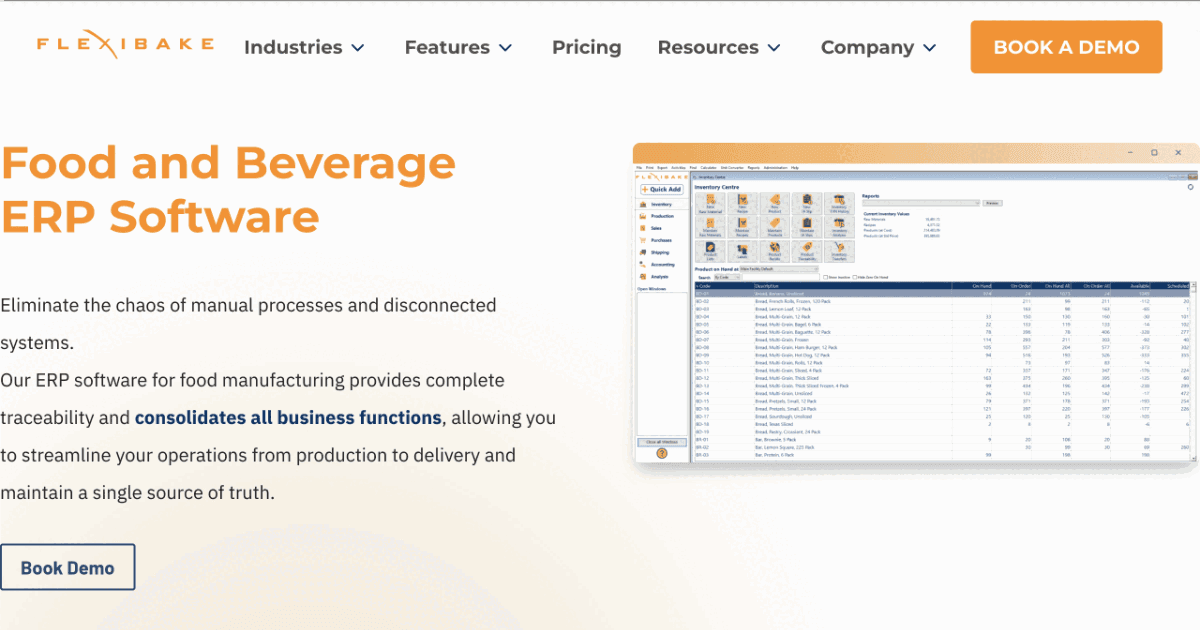
A cheaper alternative to FlexiBake for wholesale bakeries
Updated Sunday, 27 September 2026
Comparing FlexiBake and Wholesale Handler for wholesale bakery ordering. See the full pricing and feature breakdown.
Orderlion pricing - what does it actually cost?
Updated Sunday, 27 September 2026
Orderlion doesn't publish pricing. I calculated the average from their own public revenue data and broke down what each tier includes.
Orderlion alternative for wholesalers
Updated Sunday, 27 September 2026
Orderlion is built for large food and drink distributors with ERP (Enterprise Resource Planner) systems. For smaller wholesalers, here's a simpler, cheaper alternative.
BlueCart pricing - what does it actually cost?
Updated Sunday, 27 September 2026
BlueCart doesn't publish pricing. I gathered what third-party sources report, what reviewers say about contracts, and what to ask before you sign.
Why is wholesale software so expensive?
Updated Sunday, 27 September 2026
The advertised monthly fee is rarely what you pay. Most wholesale software charges a percentage of every order on top - and that pricing model shapes the product itself.
Do you need AI to take wholesale orders?
Updated Sunday, 27 September 2026
AI order processing reads your WhatsApp messages and emails and tries to turn them into orders. But what if the mess never happened in the first place?
Simple wholesale ordering software that doesn't need a wiki
Updated Sunday, 27 September 2026
Orderlion has 27 pages of documentation for wholesalers. If you just want customers to order online instead of texting you, there's a simpler option.
Shopify vs Wholesale Handler for wholesale bakery orders
Updated Sunday, 27 September 2026
Shopify is built for retail. Wholesale Handler is built for wholesale ordering. See the feature and pricing comparison for bakeries.
How to handle wholesale customers who change their orders at the last minute
Updated Sunday, 27 September 2026
The café texts at 6am to add four sourdoughs. The coffee shop calls to halve their croissant order after you've already started baking. Every wholesale baker knows this problem. Here's how to stop it ruining your morning.
How to stop taking bakery orders on WhatsApp
Updated Sunday, 27 September 2026
WhatsApp works until it doesn't. Missed orders buried in group chats, customers messaging a personal phone at 11pm, duplicate requests across three different threads. Running wholesale on WhatsApp breaks down fast.
How to automatically invoice your wholesale bakery customers
Updated Sunday, 27 September 2026
Friday afternoon goes to typing up invoices from a week's worth of orders. Copying prices into a spreadsheet, checking what was delivered, emailing PDFs. There's a better way.
How to turn wholesale orders into a production list before you start baking
Updated Sunday, 27 September 2026
Every morning, wholesale bakeries add up orders by hand to work out what to bake. Scanning messages, checking standing orders, hoping nothing's been missed. There's a faster way to get from confirmed orders to production numbers.
How to set a wholesale bakery order cutoff and actually stick to it
Updated Sunday, 27 September 2026
Every wholesale bakery needs a cutoff time. The hard part isn't choosing one - it's enforcing it when a good customer texts you after hours asking to squeeze in one more change.
How to make packing slips for wholesale bakery deliveries
Updated Sunday, 27 September 2026
A packing slip tells your driver exactly what goes in each crate for each customer. Most wholesale bakeries handwrite them or print a spreadsheet. Both cause errors at the van.
How to stop being the one who takes every wholesale bakery order
Updated Sunday, 27 September 2026
Wholesale bakery owners end up spending half their morning answering the phone, replying to WhatsApp messages, and manually writing down orders. Here's how to get out of the loop.
How to know which of your wholesale customers haven't paid you
Updated Sunday, 27 September 2026
The bread was delivered. The invoice was sent. Three weeks later, it's unclear whether it was paid. Checking the bank, scrolling through transactions, trying to match amounts to customers. There's a better way to track this.
Five signs your wholesale bakery has outgrown its spreadsheet
Updated Sunday, 27 September 2026
The spreadsheet worked with three customers. Now there are eight and Friday afternoon disappears into admin. Here are the signs it's time to move on.
How to take Christmas orders from your wholesale customers without losing your mind
Updated Sunday, 27 September 2026
Wholesale customers all want "a bit more than usual" for Christmas. None of them can say exactly how much. Here's how to get confirmed numbers before it's too late.
How to stop taking egg orders on WhatsApp
Updated Sunday, 27 September 2026
WhatsApp works until it doesn't. Orders buried in group chats, customers messaging a personal phone at 5am, no single list of what needs packing. Running an egg round from text messages breaks down fast.
How to plan egg orders around seasonal production
Updated Sunday, 27 September 2026
Your hens don't care about your delivery schedule. Production drops in winter and during moulting, but your customers still expect the same order. Here's how to stay ahead of the gap between what your flock produces and what your accounts need.
How to make a packing list for wholesale egg deliveries
Updated Sunday, 27 September 2026
At fifteen customers, the delivery round stops fitting in anyone's head. At twenty-five, it's scribbled on the back of a feed receipt and someone's been missed. Here's how to get a packing list that builds itself.
How to invoice wholesale egg customers
Updated Sunday, 27 September 2026
Eggs delivered on Monday. Invoice still not sent by Wednesday. By the end of the month, money is owed by several customers and it's unclear exactly how much. Here's how to fix invoicing before it costs real money.
How to set up your first wholesale egg customer
Updated Sunday, 27 September 2026
A cafe owner asks for ten dozen a week. A handshake later, it's a wholesale egg business - except nobody mentioned what to agree, what to write down, or how to actually manage a recurring trade account.
Shopify alternative for egg wholesalers
Updated Sunday, 27 September 2026
Shopify is built for retail growth. Egg wholesale is about selling all of what you have, fairly, every week. Here's a tool built for that.
Affordable software for fresh produce wholesalers
Updated Sunday, 27 September 2026
Stop taking fruit and veg orders by phone. Let your trade customers order online with current prices, order cutoffs, and invoicing built straight from the orders.
Order management software for fresh produce wholesalers
Updated Sunday, 27 September 2026
Ordering portals, AI platforms, and ERP systems compared. What each type does, what it really costs, and which one you actually need.
Shopify vs Wholesale Handler for fresh produce wholesalers
Updated Sunday, 27 September 2026
Shopify is built for retail. Wholesale Handler is built for wholesale ordering. Feature and pricing comparison for fresh produce wholesalers.
Orderlion vs Wholesale Handler for fresh produce wholesalers
Updated Sunday, 27 September 2026
Orderlion is built for large distributors with ERP systems. Wholesale Handler is built for small wholesalers who need a simple ordering portal.
How to update fresh produce prices without calling every customer
Updated Sunday, 27 September 2026
Stop calling, texting, and broadcasting every price change. Update once, and every customer sees the current price when they order.
How to stop copying WhatsApp orders into a spreadsheet at 4am
Updated Sunday, 27 September 2026
Fresh produce wholesalers lose hours every night copying orders from WhatsApp, text, and voicemail into spreadsheets. There's a simpler way.
How to charge different prices to different wholesale customers
Updated Sunday, 27 September 2026
Wholesale pricing starts simple: one price for everyone. Then a loyal customer asks for a better rate. Then another. Before long, the only record of who pays what is a spreadsheet, a mental note, or both.
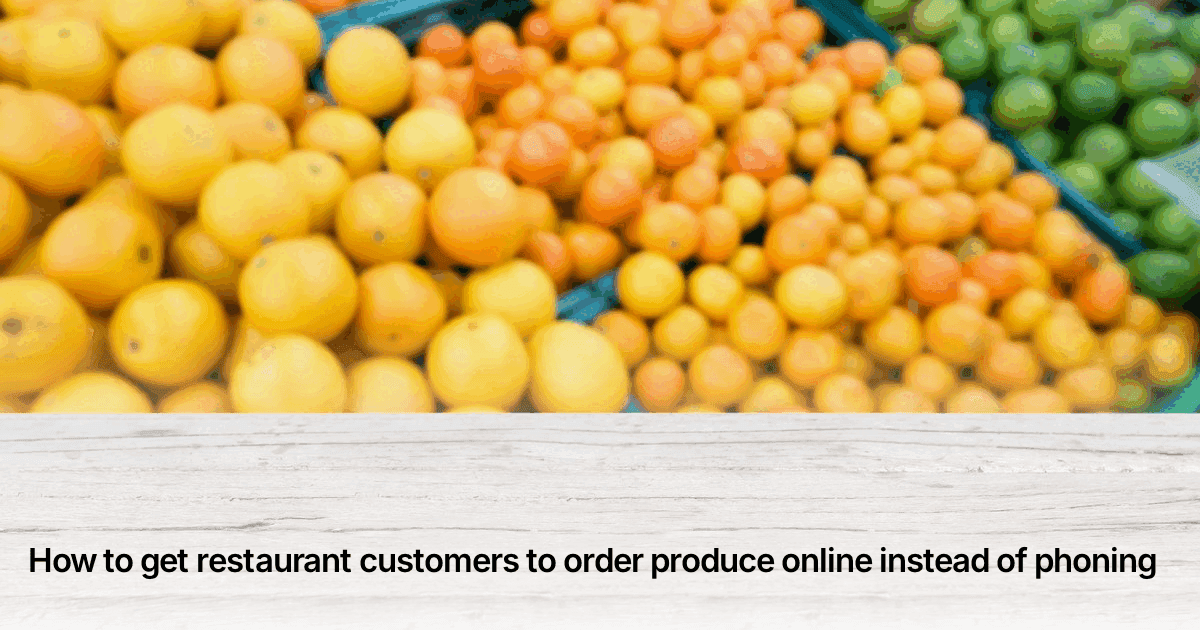
How to get restaurant customers to order produce online instead of phoning
Updated Sunday, 27 September 2026
Restaurant customers phone, text, and WhatsApp their produce orders out of habit. Here's how to move them to an online portal without losing anyone.
A simpler Local Line alternative for wholesale-only farms
Updated Sunday, 27 September 2026
Comparing Local Line and Wholesale Handler for small farms that sell wholesale. Full pricing and feature breakdown.
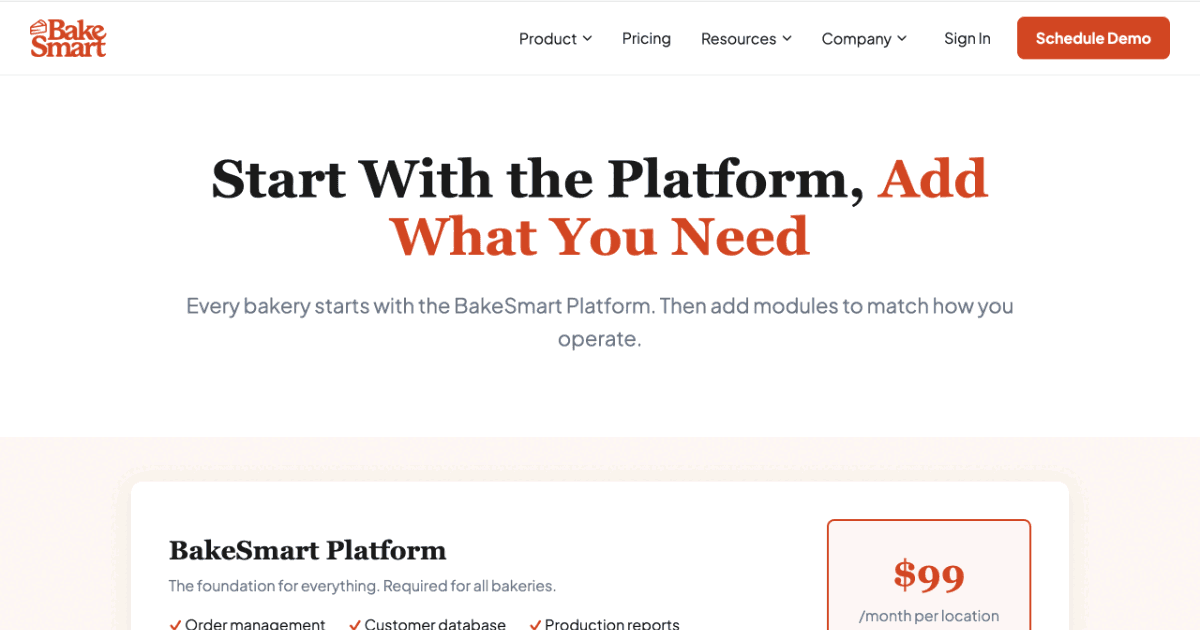
BakeSmart pricing - what does it actually cost?
Updated Sunday, 27 September 2026
BakeSmart used to publish per-module prices. As of May 2026 most modules just say "Learn more". Here's what's still public, what's sales-call-gated, and what the modules used to cost.
Software for wholesale pumpkin orders
Updated Sunday, 27 September 2026
Take wholesale pumpkin orders online instead of by phone and text. Customers order by the bin, pick a delivery week, and reorder through the season while you are out in the field.
Using Google Forms for wholesale orders
Updated Sunday, 27 September 2026
A Google Form is the natural first step for taking wholesale orders online. It is free, everyone has a Google account, and it beats fishing orders out of texts - until your catalogue and customer list grow and the work creeps back in.
How to organise wholesale orders in a spreadsheet (and when to stop)
Updated Sunday, 27 September 2026
Yes, you can run wholesale orders on a spreadsheet. But the version that actually works is advanced Excel - the kind most people believe they have and do not - and even a perfect build still cannot take a customer's order.
Order management software for microgreens growers
Updated Sunday, 27 September 2026
Take microgreens orders online instead of out of texts and DMs. Chefs place a weekly standing order, you switch varieties on and off as trays cut, and the same order repeats without anyone re-typing it.
How small breweries take orders from pubs without a distributor
Updated Sunday, 27 September 2026
Sell direct to free houses and the order desk is yours - the Friday ring-round, a different price for every pub, delivery days that match your dray, and payment to chase across dozens of accounts.
How to take wholesale coffee orders from cafes
Updated Sunday, 27 September 2026
The accounts are won. Now the weekly order has to come in, land before the roast, and match what each cafe agreed to pay - without living in texts, DMs, and a Sunday-night inbox.
What is a standing order in wholesale?
Updated Sunday, 27 September 2026
A standing order in wholesale is a repeating delivery on a set schedule - the same products, the same day, billed to the customer's account, without anyone placing the order each time. It's not the bank term most people picture.
Wholesale order management for small pet-treat producers
Updated Sunday, 27 September 2026
Orders come in by text, email, a DM and a Faire notification, then get copied into a spreadsheet to make one list to bake from. There is software for running a pet shop and software for running a treat factory, but very little built for the bit in between - a small maker taking repeat orders from the shops that stock them.
How to set and enforce a minimum order value for wholesale
Updated Sunday, 27 September 2026
Deciding a minimum order value takes about five minutes. Making customers actually respect it is the part that drags on for months.
Wholesale customer portal - what it is and how it cuts your workload
Updated Sunday, 27 September 2026
A wholesale customer portal gives each of your trade customers their own sign-in to see their prices and place their orders - replacing the phone calls, texts, and emailed lists that fill the order desk's day.
Can I use Airtable to manage wholesale orders?
Updated Sunday, 27 September 2026
Yes - for your own side of the operation. Airtable is a genuinely good database for keeping products, customers and the orders you've already taken in one organised, linked place, and a real step up from Excel or Google Sheets. Where it runs out of road is the other half of wholesale: letting your customers sign in and place their own orders at their own prices. That's the part Airtable wasn't built for, and it's the part that costs you the most time.
Flat-fee wholesale ordering software (no commission, no per-user)
Updated Sunday, 27 September 2026
Flat-fee means one price that doesn't move - it stays the same whether you add a colleague, take a hundred more orders, or have your best month ever. Flat pricing is rarer than it looks, because a lot of "affordable" wholesale tools advertise a low headline number with a meter running underneath it. Flat isn't always the cheapest sticker price, but it's the only model where growing your business doesn't quietly grow your bill.
How to set wholesale order cutoff dates for a peak season
Updated Sunday, 27 September 2026
A peak-season cutoff is the date and time after which you stop accepting orders for a given delivery, set early enough that you can actually produce and pack everything that came in. The cutoff itself is the easy part. Holding it when every customer is pushing for one more case is the hard part, and peak season is when it matters most and slips most.
How to manage seasonal availability for wholesale produce
Updated Sunday, 27 September 2026
Managing seasonal availability has two sides: sourcing (making sure you have product) and communication (making sure your buyers know what's available and what's changing). Most wholesalers handle sourcing reasonably well. Communication is where they lose customers.
The software a small egg producer actually needs
Updated Sunday, 27 September 2026
The hens are rarely the problem. The hours disappear into the order desk: orders arriving by text, WhatsApp, and voicemail, the mental map of who gets what on which day, the packing list scribbled the night before, invoices waiting for a quiet evening that never comes. A few dozen trade accounts - cafes, farm stores, bakeries, a couple of restaurants - each one adds a little more of the same admin.
How to take wholesale pre-orders for a seasonal product
Updated Sunday, 27 September 2026
A pre-order is an ordinary order with a delivery date months out rather than days. Nothing special has to be built for it, but three settings decide whether your customers can place one at all - the maximum lead time on their order profile, the dates the product is available, and where you put the cutoff. Get those wrong and the date simply shows as closed, with no indication that a setting is the reason.
How to handle a seasonal order surge as a small producer
Updated Sunday, 27 September 2026
A peak sells more than you can make, and the difference gets rationed whether you choose the method or not. There are four to choose from - close the date, cap the line, ask for confirmed numbers, or charge more - and all four have to be in place before you announce anything, because the announcement is what starts the rush.
How to approach shops or restaurants to stock your product
Updated Sunday, 27 September 2026
The pitch is smaller than most people expect - one sample, one page, and a price the shop can make its own margin on. Landing the account is the easy half. Whether it becomes a second order is decided by how well your product sold on their shelf and how much work it takes them to order it again.
What is a wholesale price list?
Updated Sunday, 27 September 2026
A wholesale price list is a named set of trade prices covering your whole catalogue, applied to the customers you put on it. Most suppliers end up running several - a full-price list, one or two discounted ones for volume or loyalty - with every account sitting on exactly one of them. The customer sees a price against each product and nothing else.
How to start selling wholesale as a small producer
Updated Sunday, 27 September 2026
Five things have to be settled before the first trade order lands - what goes on the trade list, the price, the minimum, the days you deliver and close ordering, and when you get paid. The last one is what catches people out, because wholesale reverses the order of the cash - you buy the ingredients, make the goods and deliver them, and the money turns up weeks later.
How to set wholesale prices across multiple accounts
Updated Sunday, 27 September 2026
Past about ten accounts the difficulty is recall rather than arithmetic - what each customer was promised, and when. Wholesale Handler holds trade prices as price lists rather than per-customer deals. Each customer is assigned to one list, a list derives its prices from a single Default catalogue by percentage, and any price typed in by hand is labelled as an override so it can be found again.
How to stop wholesale customers ordering after the cutoff
Updated Sunday, 27 September 2026
A cutoff you have to enforce by saying no is not a cutoff, it is a preference. Stopping late orders means the date is closed to the customer before they ask - they cannot select it, so there is no request to turn down. In Wholesale Handler that closure is worked out on the server against the rules on the customer's own order profile.
How to manage standing orders for weekly wholesale delivery
Updated Sunday, 27 September 2026
Weekly standing orders need managing in four situations - a customer wants a permanent change, a customer wants one week different, a delivery falls in a period you are closed, and a schedule stops placing on its own. In Wholesale Handler the schedule is the only thing you update, a change to it carries to every future delivery, and a single delivery can be skipped but not altered.
How to get wholesale customers as a small producer
Updated Sunday, 27 September 2026
Wholesale accounts come from five places - a sample put in a buyer's hands, a cold approach timed to the gap between services, a trade show stand, a market stall that doubles as a tasting table, and a referral from an account you already supply. Distributors and marketplaces are a sixth, buying reach with margin. Wholesale Handler is ordering software, so it keeps accounts rather than finds them, and none of the finding is a software problem. How to start selling wholesale as a small producer covers the groundwork that comes before the first pitch.
How to sell a seasonal glut through wholesale accounts
Updated Sunday, 27 September 2026
A glut is a short window with too much of one thing in it. Selling it through accounts you already have is faster than finding new buyers, but it needs three things done in the right order - a price low enough to displace something already on their order, an end date set before you forget, and a message, because nothing about a glut reaches a customer on its own.
Wholesale ordering software without ERP integration
Updated Sunday, 27 September 2026
Ordering software does not need an ERP behind it to be useful. Taking a trade order needs a product list, a price per customer, a cutoff and a delivery date - none of which live in an ERP. What integration adds is a pipe to a system you may not run, and the cost of maintaining that pipe is the single clearest reason one ordering tool costs ten times another.
Choco alternative for wholesalers
Updated Sunday, 27 September 2026
Choco is free to the restaurant and billed to the supplier, and the ordering happens inside Choco's app next to every other supplier that restaurant buys from. Wholesale Handler is the other trade, a wholesale customer portal carrying your own customers at a flat monthly fee, with no app in between and no per-customer charge. Choco has reach that a private portal does not.
Cheaper alternative to Pepperi
Updated Sunday, 27 September 2026
Pepperi publishes no price. Its own site has no pricing page, so every figure in circulation comes from a software directory or from a rival selling against it. The shape of the bill is clear enough - a modular subscription, sales rep seats charged on top, and an implementation project quoted separately - but its size is nowhere public. Wholesale Handler is a flat monthly fee with no per-seat charge, no setup charge and no commission, which makes it much cheaper for taking orders and the wrong tool for running a field sales force.
Fresho pricing - what small food wholesalers pay
Updated Sunday, 27 September 2026
Fresho quotes each supplier individually, but it publishes a monthly floor, a one-off setup fee and an annual contract. A wholesaler doing fifty orders a week sits on that floor and pays the setup fee on top in the first year. Wholesale Handler has three published plans, no setup fee and no contract, and its pricing page carries every figure.
Now Commerce alternative for wholesalers
Updated Sunday, 27 September 2026
Now Commerce is a wholesale ordering portal built as a QuickBooks add-on. Orders you take post into QuickBooks, and QuickBooks does the invoicing. That tether is the whole comparison - it is the reason the product works well if your books are already there, and the reason it does not fit if they are not.
Zoey pricing - hard to justify for small wholesalers
Updated Sunday, 27 September 2026
Zoey's entry plan costs more in one month than Wholesale Handler costs in five, and its setup packages are priced separately again. That is defensible for a wholesaler buying a full branded B2B ecommerce site with sales quotes, a rep app and NetSuite behind it. For one taking a dozen trade orders a week from buyers who already know what they want, it is platform money spent on a sign-in page, a price list and an order form.
Upstock alternative for wholesale suppliers
Updated Sunday, 27 September 2026
Upstock sells suppliers a free plan and a Logistics plan. The free one is a directory listing that takes orders by email, and the Logistics one carries the invoicing, the price lists and the automation, priced by how many orders you process in a month. Upstock now publishes only that plan's starting figure, so you cannot read what it costs as your volume grows. Wholesale Handler is the flat-fee alternative, one published monthly fee whatever your order count, with every feature inside it. The trade is reach, because Upstock has a buyer network in Australia and New Zealand and Wholesale Handler has none.
B2B wholesale software transaction fees at 20k, 50k and 100k a month
Updated Sunday, 27 September 2026
A percentage fee moves with the month, so the same rate is a different bill every time trade improves. At $20,000, $50,000 and $100,000 of monthly orders, a 15% marketplace commission takes $3,000, $7,500 and $15,000. A 5% platform fee takes $1,000, $2,500 and $5,000. A flat subscription takes the same amount at all three, which the table below puts in your own currency. The arithmetic separates the platform's cut from card processing, because they are two bills charged on two different bases.
Selling wholesale direct alongside Faire
Updated Sunday, 27 September 2026
Faire finds stockists you would not have found. It then takes commission on every order that stockist ever places, and its brand terms bar you from moving them off the platform to escape it. The accounts you found yourself are the ones with a choice, and those are the ones to run on your own order desk, where a flat monthly fee covers the whole customer book however often it reorders.
Shopify B2B for a small wholesale producer
Updated Sunday, 27 September 2026
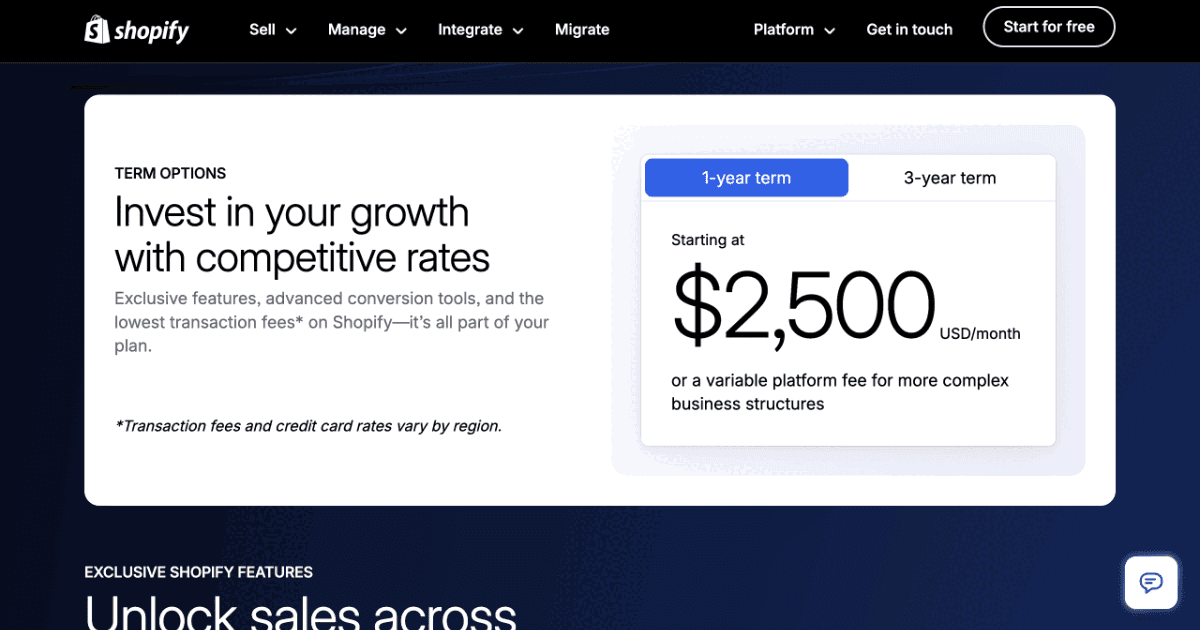
Shopify's native B2B stopped being a Shopify Plus feature on 2 April 2026, so a producer on Basic, Grow or Advanced now gets company accounts, net terms and up to three B2B catalogues at no extra charge. Three catalogues assigned through Markets is not per-customer pricing, and Shopify's own documentation rules subscriptions and local delivery out of B2B checkout. The question is no longer what Plus costs. It is whether a standing order, a per-day cutoff and a make-list matter enough to run wholesale somewhere other than a retail platform.
NuORDER pricing - subscription, setup fee and transaction fees
Updated Sunday, 27 September 2026
NuORDER publishes no subscription price. Directory listings put the floor at $7,000 a year, NuORDER's own promotional pages confirm an implementation fee starting at $7,500, and payments taken inside the platform cost 2.9% plus $0.30 per card transaction or 0.50% of every transaction if a brand connects its own processor. It is a Lightspeed property selling to apparel, footwear and accessories brands, so a food producer comparing it against a flat monthly fee is looking at software built for a different trade.
Cin7 is overkill for wholesale ordering
Updated Sunday, 27 September 2026
Cin7 is inventory and order management across sales channels, and it is good at that job. It is the wrong shape for a small producer who bought it to do one thing - let trade customers place their own orders. Cin7 Core starts at $349 a month for five users, the B2B portal that carries those orders is a quote-only add-on on top, and the inventory platform underneath it goes unused. Where a trade order desk is the whole requirement, a wholesale customer portal sold as one product does that job for less. Anyone running stock across Amazon, Shopify and a warehouse should stay on Cin7.
Unleashed pricing for small wholesalers
Updated Sunday, 27 September 2026
Unleashed publishes its prices, which most of the category does not. In US dollars the plans are Lite at $99 a month, Core at $399 and Pro at $729, each including three users (five on Pro) and 100 sales orders a month. The piece that lets wholesale customers place their own orders is the B2B eCommerce Store, a $129 a month module, and Lite cannot take it - so the cheapest Unleashed configuration with a customer ordering portal in it is Core plus that module, $528 a month before extra users, extra orders, support or onboarding.
Ordermentum review for UK and US food wholesalers
Updated Sunday, 27 September 2026
Ordermentum is an Australian ordering and payments platform for food and beverage wholesalers, and in its home market it is close to a default - around 50,000 venues, more than 1,000 suppliers, and a particular grip on coffee. For a producer in the UK or the USA the answer arrives before the feature list does. Supplier plans start at A$200 a month plus a A$399 set-up fee, the terms state that every fee and every payment is in Australian dollars, and the payments half runs on Australian direct debit through a Melbourne provider. The product is capable; the geography is the constraint. Flat-fee wholesale ordering software covers what the same job costs when it is priced where you sell.
Acctivate pricing - what does it actually cost?
Updated Sunday, 27 September 2026
Acctivate publishes no licence price, and the answer is not a monthly figure. The fullest third-party breakdown, Software Connect's review, puts it at a one-time licence of $5,995 for one user, $9,995 for five or $13,995 for ten, each carrying an annual subscription of $5,000, $8,000 or $14,000 on top, with extra users at $600 each and an onboarding fee billed monthly until go-live. A single-user first year therefore lands near $13,000 before QuickBooks, which Acctivate requires. That is the price of an inventory ERP, and it sits in a different category from a flat-fee wholesale ordering tool.
iNECTA pricing for small produce wholesalers
Updated Sunday, 27 September 2026
iNECTA publishes no price and sells by quote, so the only figure a produce wholesaler can check without a sales call is Microsoft's. iNECTA Food is a food industry layer on Microsoft Dynamics 365 Business Central, and that one fact explains the bill: Business Central licences at $80 a user a month for Essentials or $110 for Premium, iNECTA's own subscription on top of them, and an implementation project quoted separately. Directory listings put iNECTA's layer somewhere between roughly $69 and $150 a user a month, and Top10ERP records a 25-user minimum.
Produce Pro pricing - what does it actually cost?
Updated Sunday, 27 September 2026
Produce Pro publishes no price. Not a plan, not a tier, not a starting figure, on its own site or on Aptean's, which has owned it since 2022. Every number in circulation comes from an aggregator that has modelled it rather than been quoted it, and the two main estimates disagree with each other by a factor of five. What the sources do agree on is the shape of the bill - a subscription scaled by users and modules, a separate implementation project, and add-ons priced individually - which is the enterprise software bill rather than a SaaS price page.
What SAAVI actually costs once per-order fees compound
Updated Sunday, 27 September 2026
SAAVI's published entry tier is AUD $290 a month plus a AUD $5,000 setup fee, and it includes 100 orders a month. Every order past that carries a fee of AUD $1.50 to $4.50, so a wholesaler taking 100 orders a week pays around AUD $1,789 a month rather than $290. Those figures sit on a separate subdomain, newpricing.saavi.com.au; the pricing page SAAVI's own navigation links to shows different tier names and no numbers at all. Wholesale Handler is a flat monthly fee with no per-order fee and no setup fee, so there is no order volume at which SAAVI's entry tier comes out cheaper.
Can you use the WhatsApp Business catalog for wholesale food orders
Updated Sunday, 27 September 2026
Yes, for a handful of customers who all pay the same price. The catalog is a product list pinned to your business profile, and a buyer can tick items into a cart and send the lot to you as one message. Past that it runs out. One WhatsApp Business Account holds one catalog, so every customer sees the same price. A chat thread has no closing time, so nothing turns an order away after the cutoff. A sent cart cannot be edited, so a corrected order is a second message in the same thread. And nothing in the catalog raises an invoice.
Jotform for wholesale order forms
Updated Sunday, 27 September 2026
Jotform builds a good wholesale order form - a product list with quantities, conditional logic, calculations, a PDF invoice on submit and a table holding every order that arrived. The limits sit on the other side of the submit button. A customer cannot see their own trade prices before they order, cannot look up what they bought last week, and cannot reorder it. Collecting an order is not running one, and Jotform is a collection tool.
Square invoices for wholesale customers
Updated Sunday, 27 September 2026
Plenty of small producers run their trade accounts off Square Invoices, and the money half works - sending an invoice is free on every Square plan, the buyer can pay by card or bank transfer, and reminders go out before and after the due date without anyone remembering to send them. The two things Square cannot do are the two a wholesale account is made of. Square's catalogue holds one price per item, so one cafe cannot pay less than another for the same case. And there is nowhere for a customer to sign in and place next week's order, so every invoice is still keyed by hand from an order that arrived by text, email or phone.
Using Google Sheets to manage wholesale orders
Updated Sunday, 27 September 2026
Google Sheets is a good place to work out what a week of orders comes to, and a bad place to send a customer their prices. Access in Sheets is granted on the file and not on one tab, so showing a customer their own price list means either trusting them not to scroll or maintaining a separate file per customer. How to organise wholesale orders in a spreadsheet covers the layout that works in any spreadsheet.
Can I use Notion to take wholesale orders
Updated Sunday, 27 September 2026
Notion holds wholesale orders better than a board and about as well as a well-built spreadsheet - a database of orders related to a database of lines does total correctly. What it does not do is let the customer place one. The block is that a Notion page shows the same content to everyone who opens it, and a trade price depends on which customer is asking.
WooCommerce for wholesale ordering
Updated Sunday, 27 September 2026
WooCommerce takes wholesale orders once you add plugins to it. Core is a retail cart - one price per product, a catalogue anyone can browse, payment at checkout - so trade pricing, account approval, order minimums and delivery-day cutoffs all arrive as paid subscriptions on top. A single-site stack of managed hosting, a B2B plugin and a delivery-date plugin runs about $644 in the first year and about $769 a year after that, and none of that covers the morning a plugin update stops the checkout working. Flat-fee wholesale ordering software is the other shape the same bill takes.
Wix for wholesale B2B ordering
Updated Sunday, 27 September 2026
Wix has no wholesale layer of its own, so B2B ordering on Wix means two subscriptions rather than one: a Wix plan that can run a store, plus an app such as SparkLayer that adds trade pricing and trade sign-ins on top. The floor is the Core plan at $29 a month billed yearly and SparkLayer's Starter tier at $49 a month, which is $936 a year and caps you at fifty wholesale orders a month. Past that cap the same stack is $2,136 a year. Wholesale Handler is a flat monthly fee with no order cap, and it is an ordering portal rather than a website builder.
Using Trello or a CRM for wholesale orders
Updated Sunday, 27 September 2026
A board or a CRM tracks the progress of an order you have already taken. It does not take one. The gap matters because taking the order - the lines, the quantities, the price for that particular customer - is the part that costs you time, and it happens before a card exists.
Paper order book for wholesale producers
Updated Sunday, 27 September 2026
A paper order book is a working system, and for a producer with a few accounts on a steady weekly order it beats software. What ends it is not a customer count but a change rate. Paper is cheap to write and expensive to re-read, so it holds up while orders arrive once and stay put, and falls apart when they start moving after they are written.
Wholesale customer portal for fresh produce wholesalers
Updated Sunday, 27 September 2026
A produce portal is a wholesale customer portal configured around a list that changes. What a bakery sets once - the catalogue, the price, the weight of the thing - moves in produce from week to week and sometimes from day to day, so four settings decide whether the portal is any use: what the chef sees as sellable, when ordering closes, how a price change reaches them, and how a box that weighs something different every time gets billed.
Wholesale customer portal for egg producers
Updated Sunday, 27 September 2026
An egg round is a list of accounts, each sitting on a fixed day, each taking roughly the same number of trays every week. A portal for that job needs three things a general ordering tool rarely has together, a delivery day and cutoff per customer, standing orders that place themselves, and a way to say a week is short before the van fails to arrive. Wholesale customer portal covers the general shape of one.
Wholesale customer portal for bakeries
Updated Sunday, 27 September 2026
A bakery portal is a wholesale customer portal configured around a production run. The bake happens once, to a quantity fixed before it starts, so three settings decide whether a portal is useful to a bakery - where the cutoff falls, whether orders are totalled per product, and how the repeating part of the week is handled.
CyBake pricing - what does it actually cost?
Updated Sunday, 27 September 2026
CyBake has not published a price. What is knowable without a sales call is the shape of the bill - a one-off set-up fee, then a monthly subscription scaled by which modules a bakery uses, with no per-user charge and no per-transaction charge. The figure itself only exists inside the quote, and it is built around your operation.
Orderlion alternative for wholesale bakeries
Updated Sunday, 27 September 2026
Orderlion is a Vienna-built ordering platform sold to wholesalers in the UK and the EU, quoted by its sales team on a tiered subscription priced by users and features, with ERP integration in the middle tier. A wholesale bakery supplying forty cafes in the USA sits outside both that geography and that shape. Wholesale Handler is the alternative built for it, on one flat monthly fee whatever your order volume, no per-user charge and no commission, carrying the four things a bakery runs on, a cutoff per delivery day, a make sheet that totals every cafe's order, standing orders for the accounts that take the same thing every week, and a price list per cafe. The platform comparison for wholesalers generally is Orderlion alternative for wholesalers.
How to set a minimum order for wholesale bakery customers
Updated Sunday, 27 September 2026
A bakery minimum is a cash figure, not a loaf count. Wholesale Handler holds one minimum spend on each order profile, measures it against the goods subtotal before delivery and tax, and keeps the Place order button disabled until the customer reaches it. Picking the number is covered in set and enforce a minimum order value; this is what the setting does once it is in.
How to give each wholesale bakery customer their own delivery days
Updated Sunday, 27 September 2026
Delivery days are not held on the customer in Wholesale Handler. They sit on an order profile - a named set of ordering rules - and each customer is assigned exactly one. A profile carries the days you deliver, and every day carries its own ordering deadline, so cafes taking Monday and Thursday and shops taking Tuesday are two profiles rather than a setting per account.
How to get your wholesale bakery customers to pay on time
Updated Sunday, 27 September 2026
Trade suppliers treat late payment as an escalation sequence rather than a persuasion problem - terms agreed before credit is extended, an invoice carrying explicit dates, reminders on a fixed cadence, then commercial consequences. Applying the same sequence to every account is what makes it work, because a cafe paying twenty suppliers pays the ones whose position in the queue is clearest. Wholesale Handler covers the invoice itself; the chasing and the consequences are run from your own diary.
Microbakery wholesale cafe order management
Updated Sunday, 27 September 2026
A microbakery supplying three or four cafes does not need order software to take the orders. It needs the ordering deadline to close before the mix rather than before the van, the repeat orders to exist without being retyped each week, and one list that totals every cafe's order by product for the bake. A notebook does all three until a second person joins the bake, a cafe changes its order at 9pm, or you want a week off.
Affordable software for wholesale coffee roasters
Updated Sunday, 27 September 2026
Two different products get sold to roasters as "roasting software", and only one of them takes an order. Roast platforms start at the green coffee and end at the bag, and they price on the weight you put through the machine. Order desks start at the cafe and end at the invoice, and they price on seats, tiers or a cut of the payment. A roaster with a dozen wholesale accounts is usually short of the second, not the first, and the affordable route is to buy them as two separate purchases rather than wait for one platform to cover both. How to take wholesale coffee orders from cafes covers the order itself.
A flat-fee alternative to RoasterTools for coffee roasters
Updated Sunday, 27 September 2026
RoasterTools is a roasting platform - green coffee stock, production planning around roast days, its own payment processing - and its subscription is metered by the pounds you roast. Wholesale Handler replaces one part of it, the ordering layer, on a flat fee that does not move with production. How to take wholesale coffee orders from cafes covers that order desk end to end. This is not a like-for-like swap, and the roastery running its week on RoasterTools is not the roastery this is written for.
Shopify alternative for wholesale coffee roasters
Updated Sunday, 27 September 2026
Shopify moved its native B2B tools off Plus on 2 April 2026, so company profiles, net payment terms, volume pricing, purchase order numbers and ACH now come with Basic, Grow and Advanced. Three things a wholesale coffee operation runs on still don't. A negotiated price for each cafe needs a catalogue assigned directly to that company, which stayed on Plus. A cafe taking the same beans every week cannot set a repeating order, because subscriptions are unsupported in B2B. And there is no roast-day cutoff, because Shopify has no ordering deadline. Wholesale Handler is a flat-fee ordering portal built around those three, running alongside a retail store rather than replacing it.
How to set up standing orders for weekly wholesale coffee accounts
Updated Sunday, 27 September 2026
A weekly coffee account is one schedule carrying a delivery day, a cadence, a start date and the bags the cafe takes. Each delivery's order is then created at that day's cutoff rather than written in advance, and every line is re-priced and re-checked at that moment, so what places is an order the roastery can fill at the price the cafe is on today. What a standing order is in wholesale covers the term on its own.
How to set a roast-day order cutoff for wholesale coffee
Updated Sunday, 27 September 2026
A wholesale coffee cutoff is counted back from the roast, not from the delivery. A cafe ordering Tuesday morning for a Wednesday drop is ordering after the beans for Wednesday went in the drum, so the deadline has to sit ahead of the roast slot that fills the order, plus the time to pack it and run the route. Set one per delivery day, because roast days are not evenly spaced.
Wholesale coffee orders spreadsheet for a small roaster
Updated Sunday, 27 September 2026
A wholesale coffee order sheet holds up when one row is one cafe ordering one coffee at one grind in one bag size, with that account's weekly bag count in the row. Pounds per coffee for a roast day then come out of a sum over those rows instead of being read back off a message thread. How to organise wholesale orders in a spreadsheet covers the layout common to any producer. Coffee adds grind, bag size and a roast day sitting a few days ahead of the delivery day.
Affordable software for breweries selling direct to pubs
Updated Sunday, 27 September 2026
The affordable end of brewery software is the production half. Entry tiers carry recipes, brew logs, fermentation and the excise report, while sales, customer management and delivery planning sit a tier or two above - and that upper half is what a brewery self-distributing to pubs touches every week. Brewery management software and wholesale ordering software are two separate purchases, and a brewery with twenty pub accounts usually needs the second one first.
A commission-free alternative to EeBria for self-distributing breweries
Updated Sunday, 27 September 2026
EeBria charges its fee as a percentage of successful sales, so a pub account costs more to keep the more that pub reorders. The commission-free alternative is not a rival marketplace, it is your own order desk on a flat monthly cost that does not move with volume, running alongside EeBria rather than replacing it. EeBria keeps doing the two things an order desk cannot - putting your beer in front of venues that have not heard of you, and taking the money.
How to collect payment from dozens of pubs without chasing every week
Updated Sunday, 27 September 2026
No software takes the money out of a pub's account for you, and in US beer much of the timetable is not yours to set - federal rules treat credit beyond 30 days from delivery as an inducement, and several states are stricter again. What you can remove is the reason to chase, and there are four of them: terms attached to each account rather than remembered, an itemised invoice that arrives while the delivery is still recent, a recorded declaration of payment in place of the "have you paid yet" email, and one screen showing who is late against their own terms.
How to set a delivery-day order cutoff for beer deliveries to pubs
Updated Sunday, 27 September 2026
Set the cutoff at the moment that day's pick list closes, which for a self-distributing brewery is the evening before the run. The beer is picked, checked and staged then, so a keg added at 8am on delivery morning means breaking down a staged load and re-checking it against the paperwork. Each delivery day wants its own deadline, because a Thursday town run and a Monday county run have different amounts of working time behind them. How to stop wholesale customers ordering after the cutoff covers holding the line once it is set.
Per-pub pricing for your wholesale beer accounts
Updated Sunday, 27 September 2026
A brewery selling its own kegs ends up with three or four rates for the same beer - the free house taking two a week, the small pub group that pushed on volume, the taproom or bottle shop buying cases, and the account still on the rate it was given in year one. Running that means each rate sits on the account itself rather than in a private spreadsheet, so whoever handles the order quotes the same number every time and no customer sees another customer's price. One thing bounds it before anything else - several US states regulate what a brewery may charge a retailer, and California prohibits quantity discounts on beer outright. How to charge different prices to different wholesale customers covers the general mechanism.
A cheaper alternative to BlueCart for wholesale butchers
Updated Sunday, 27 September 2026
BlueCart publishes no supplier pricing and bills the supplier side on a percentage of order value. The only rates it has ever published are 5% of transactions on a $10 a month tier and 1% on a $200 a month tier, so the bill grows with every side of beef that goes out. Wholesale Handler is a flat monthly fee with no per-order cut, no per-user charge and no commission, which means the two cross at about $1,980 of orders a month and the gap widens from there. BlueCart pricing sets out where those figures come from and how much of it is third-party.
An Open Pantry alternative for wholesale butchers
Updated Sunday, 27 September 2026
Open Pantry gives its free tier unlimited customers and unlimited orders, and no way to invoice any of them. Invoicing and per-customer price lists start on Pro, which is also where an order ceiling appears that the free plan did not have, stepping up in bands until the price stops being published. Wholesale Handler is a flat fee with everything in it on a flat monthly fee, so the bill for a butcher taking thirty orders a week is the same as the bill for a butcher taking three hundred.
An Upstock alternative for wholesale butchers in the US and UK
Updated Sunday, 27 September 2026
Upstock serves butchers - it runs a Meat & Butchers category, lists working meat suppliers, and its entry plan costs nothing. Two things decide against it for a butcher in the United States or the United Kingdom. It sells into Australia and New Zealand and prices in New Zealand dollars, so the subscription moves with the exchange rate. And the invoicing, packing slips, price lists and automation a butcher is shopping for all sit on the paid Logistics plan, which starts at NZ$99 a month and is then quoted against monthly order volume rather than published. Wholesale Handler charges a flat monthly fee, priced natively in your own currency rather than converted, with the invoicing and catch-weight billing included.
How to manage wholesale cheese orders
Updated Sunday, 27 September 2026
What a cheesemonger can order from you this week was settled months ago in the make room. A wholesale cheese round therefore runs off a weekly availability list built from what has come out of affinage, closed by a fixed order deadline ahead of each delivery day, and priced two ways at once - whole wheels and small formats by the piece, cut cheese by the pound or kilo. What is a wholesale price list covers the list itself.
Wholesale order software for a small creamery
Updated Sunday, 27 September 2026
A search for creamery software returns four unrelated categories of product - milk-intake and make-room systems, food ERPs with a dairy module, generic B2B ecommerce platforms, and wholesale ordering portals. Only the last of those is about taking orders from the shops, delis and restaurants a creamery supplies. If the make sheets and the cave records are already under control and the problem is the weekly ordering round, the product to shop for is a wholesale customer portal rather than a dairy ERP, and the published prices across the four categories run from $15 a month to $2,500.
How to take wholesale honey orders from shops online
Updated Sunday, 27 September 2026
Give each shop a sign-in to an order form that already carries its own prices, list every jar size and varietal as its own product, and close a line the moment the last case of it goes out. Honey is an annual crop, so by late summer the number of jars that exist for the year is known and the work is allocating them across accounts rather than selling on demand. The shops that take the same case every few weeks go on a standing order, which is how they stop being a text message you have to remember.
How to manage wholesale preserve orders
Updated Sunday, 27 September 2026
Jam, chutney and hot sauce are ambient and keep for a year, so nothing about a preserve order is urgent. The difficulty is the shape of the range instead - dozens of flavours and sizes, each made in a batch that runs out, reordered by stockists on no particular rhythm. What you need is a catalogue that tells the truth about what is left.
Ice cream and gelato wholesale order management for small producers
Updated Sunday, 27 September 2026
Wholesale order management for an ice cream or gelato producer is the set of rules wrapped around one frozen delivery run - which days the van goes out, how many hours before each run orders close, what each account pays for a tub, and which flavours are orderable that week. The frozen part is what separates it from any other wholesale order desk. A case left off the load cannot be delivered later out of the back of a car, so the cutoff exists to get the van packed once. Wholesale Handler holds those rules per account and shows customers the ones that apply to them.
Charcuterie and smokehouse wholesale order management
Updated Sunday, 27 September 2026
Wholesale ordering for a charcuterie or smokehouse business is a stock-allocation problem rather than a make-to-order one. The cure is long and fixed: a salami hung in March is what there is to sell in September, and a rush of demand this week changes nothing about what is on the racks. So the job of an ordering system here is to publish only the batches that have actually reached weight, hold the rest behind a dated note the customer can read, price a whole piece at the weight it turns out to be, and close each cold-chain delivery day early enough to pick against a fixed allocation. Wholesale Handler's feature list covers the ordering side of that.
Wholesale order management for kombucha producers
Updated Sunday, 27 September 2026
Three things run a kombucha wholesale book: a standing order per account that regenerates itself every week, a cutoff attached to each delivery day, and invoices raised from the orders that were actually delivered. The product keeps fermenting after it leaves the cold room, so the shelf life is short and the round is fixed. That makes the ordering system's job narrow and specific - produce this week's orders from last week's pattern, close them when the van is loaded, and bill from what went out.
Chocolatier wholesale order management for a small business
Updated Sunday, 27 September 2026
A chocolatier's wholesale year is two large peaks with a long flat middle, and each peak is a dated range that goes up, takes pre-orders against a production run, and comes down again. Wholesale Handler is a flat-fee ordering portal shaped for that - a price list per stockist, products that close to ordering with a customer-facing note saying when they return, a minimum spend and an order cutoff per account, and a production schedule built from the orders themselves. How to take wholesale pre-orders for a seasonal product covers the general mechanics.
Fresh pasta wholesale order management for artisan makers
Updated Sunday, 27 September 2026
Fresh pasta is made against the orders already placed rather than to stock, so the order cutoff is the most load-bearing setting a wholesale pasta maker has: it is the moment the production list is fixed and the flour is committed. Running the wholesale side well is four things - a cutoff that sits far enough ahead of the make day to sheet, fill and chill, a price per account rather than one trade rate, the week's orders totalled by shape and filling instead of by customer, and the restaurants taking the same thing every week moved onto standing orders.
Plant nursery wholesale order management for small growers
Updated Sunday, 27 September 2026
Nursery software is mostly growing software. PlantX, Argos Software's ABECAS Insight and SBI Software run crop production, costing by field and crop, inventory held by ready week and location, allocation and loads, and a grower who needs that should buy one of them. The narrower job - publishing an availability list, keeping it current as plants size up, and taking orders from garden centers and landscapers at their own prices - is an ordering system, and it does not need the production system underneath it. Wholesale Handler is that half on its own.
Wholesale Thanksgiving pre-orders for turkey and produce farms
Updated Sunday, 27 September 2026
A Thanksgiving trade pre-order is taken months before the food exists. A turkey a grocer orders in September is a poult that went on feed in July, and the order book is what tells the farm how many to raise, so the window opens early, closes in October while the flock can still be sized, and lands in two or three delivery days before the fourth Thursday of November. How to take wholesale pre-orders for a seasonal product covers the general shape. The Thanksgiving version adds weight bands on a bird nobody has weighed yet, and a cutoff set by flock size rather than by the delivery run.
Managing wholesale Easter orders for bakeries and chocolatiers
Updated Sunday, 27 September 2026
Easter lands anywhere between 22 March and 25 April, and moves by up to three weeks from one year to the next, so last year's order calendar is a record rather than a template. The job is the same each year even when the dates are not: stand up a dated seasonal range, set a cutoff far enough ahead to protect the production run rather than the packing morning, set a minimum that makes a small stockist worth baking for, stage delivery days across Holy Week, and take the range down the week after. How to take Christmas orders from wholesale customers covers the fixed-date version of the same work.
Packing slip vs invoice in wholesale
Updated Sunday, 27 September 2026
A packing slip lists what is in a delivery. An invoice asks for the money. The slip travels with the goods and carries no prices; the invoice arrives afterwards and carries little else. Both are generated from the same order, so nothing is typed twice.
How to handle sale or return with wholesale bakery customers
Updated Sunday, 27 September 2026
Sale or return means the shop pays for what sold and hands back what did not, so the count that decides the bill happens at the next delivery rather than at the order. Wholesale Handler has no returns field. The arrangement runs on the invoice instead - a week of deliveries collates into one draft, and the unsold comes off it as a discount line before it is sent. Crediting an invoice already sent is the thing it will not do.
How to tell wholesale customers when produce is back in season
Updated Sunday, 27 September 2026
Two messages carry it. A per-product alert the buyer asks for themselves, sent on the day the season opens, and a weekly digest listing everything coming into and going out of season across the catalogue. Both work because a season runs on a calendar rather than on stock - the date asparagus returns is known in October, so the product can carry it and the buyer can subscribe to it.
How customers, invitations and managed customers work
Updated Sunday, 27 September 2026
Every customer belongs to one wholesaler. You add them yourself and choose how hands-on the relationship is - place their orders, email their invoices, or invite them to sign in and order themselves.
How price lists work on Wholesale Handler
Updated Sunday, 27 September 2026
Price lists let you charge different customers different amounts for the same products. Every merchant starts with a Default list. You can create more, set a percentage of the Default, override individual prices and assign each customer to one list.
How storefronts work on Wholesale Handler
Updated Sunday, 27 September 2026
A storefront is an opt-in public page that lets prospective customers find your wholesale business through Google. You set it up in three steps, submit for review, and once approved your page goes live at /stores/your-slug.
How orders work on Wholesale Handler
Updated Sunday, 27 September 2026
Customers place orders themselves through the Orders page, picking from the products, prices and delivery dates you've set up. Each order is editable while pending, locks at the cutoff, then moves to processed once you've prepared it. Processed orders are ready to invoice.
How production schedules work on Wholesale Handler
Updated Sunday, 27 September 2026
A production schedule is the merchant's view of what to make for a given day or week. Wholesale Handler totals up every customer's order by product, so you can see what to bake, pack or pick - then print it as a PDF to help prepare your orders.
How packing slips work on Wholesale Handler
Updated Sunday, 27 September 2026
A packing slip is a printable PDF telling whoever's loading the van exactly what goes in each customer's crate. Wholesale Handler generates them directly from the order, with quantities, delivery date and any standing notes you want printed on every slip.
How invoices work on Wholesale Handler
Updated Sunday, 27 September 2026
An invoice is a priced record of what a customer owes you for one or more orders. Wholesale Handler creates it from the orders, you finalise and send, then both sides track payment together until it's marked paid.
How data export works on Wholesale Handler
Updated Sunday, 27 September 2026
Data export gets your invoice line items out of Wholesale Handler and into your accounting software as a CSV. Pick a date range, choose your columns, click Download CSV - your browser saves a file that's already in the shape Xero, QuickBooks and FreeAgent expect.
How order notification emails work on Wholesale Handler
Updated Sunday, 27 September 2026
Wholesale Handler can email both sides of an order. Customers switch on order receipts to get a copy of every order they place, update or cancel. Merchants switch on order activity emails to hear when a customer does the same. Both are off by default and work independently.
How order profiles work on Wholesale Handler
Updated Sunday, 27 September 2026
An order profile is a reusable bundle of ordering rules - delivery days, ordering cutoff, maximum lead time, minimum spend and delivery charge - that you assign to customers. Every merchant starts with a Default profile. Create more when a group of customers orders on a different schedule or pays a different delivery charge, then assign each customer to the profile that fits them.
How your plan, subscription and billing work
Updated Sunday, 27 September 2026
Wholesale Handler has a free plan for the smallest operations and a flat monthly subscription that raises the customer limit. No transaction fees, no contract, and your customers don't pay anything.
What is not yet supported on Wholesale Handler
Updated Sunday, 27 September 2026
Wholesale Handler is the ordering layer between you and your trade customers, so the back office is out of scope on purpose. Payment processing, accounting sync, delivery routing, stock as the system of record and point of sale will not be built. Credit notes, automatic invoicing and deposits are not built yet and sit on the roadmap. Everything else is a plan limit, and plan limits can be raised.
How delivery settings work on Wholesale Handler
Updated Sunday, 27 September 2026
Delivery settings control which dates your customers can order for. They live on your Settings page and apply to every customer. Rules that vary by customer - delivery days, cutoffs, maximum lead time, minimum spend - live on an order profile instead.
How bulk import works
Updated Sunday, 27 September 2026
Bring your customer list and your product catalogue in from a spreadsheet. Paste a block of rows or drop a file, fix whatever the grid flags, and import only what is clean.
 Wholesale Handler